Graphic design is the creation of content that communicates messages or ideas visually. Using a combination of textual and graphical elements, a graphic designer creates media to connect with readers or consumers. Anyone who enjoys this type of creative process might want to explore career options within the graphic design field. Many colleges offer in-person and online degree programs focusing on this area of study.
Graphic designers need to be able to convey a message or evoke an emotion to achieve their clients' goals and objectives. Graphic designers need to be creative, and visual learners tend to excel in this field. It's also important for graphic designers to have good problem-solving skills.
Graphic designers often work for companies, developing logos and brands that resonate with consumers. Some graphic designers prefer to freelance so they can work with a number of clients. Graphic designers tend to have multiple specializations, giving them the most flexibility for their career success. The earning potential for graphic designers varies depending on their education, experience, geographic location, and employer. The median salary for graphic designers in the United States in 2019 was $52,110 annually or $25.05 per hour. Graphic designers earning the highest salaries have completed advanced training, and they tend to work for specialized design firms. Self-employed graphic designers often earn less than designers working in traditional settings.
The most successful graphic designers attend college to earn a certificate or degree in their field. Many post-secondary institutions offer degree programs, including large universities, smaller private colleges, art institutes, and online schools. Students can spend a few semesters in school to earn a certificate, or they can earn two-year associate degrees or four-year bachelor's degrees. Typical coursework covers specialized art subjects like commercial graphics, Web design, studio art, principles of design, and relevant technological tools. Many students also take classes in business and marketing to round out their course of study. The top schools for graphic design in the United States include the Rhode Island School of Design, Parsons School of Design in New York City, The Pratt Institute in Brooklyn, and the ArtCenter College of Design in Pasadena, California.

After graduating with a degree, a new graphic designer will be ready to enter the workforce. All graphic designers need to have a portfolio that showcases their skills and range of work. Portfolios should include website graphics and online advertisements. A digital portfolio is an ideal way to show skills to potential employers. An entry-level graphic designer might get a job working for a company that produces graphics in-house or a graphic design agency. Entry-level tasks include creating graphics in Adobe Illustrator, building compositions, developing brand language, and implementing visual designs for the web. Graphic designers also need to stay current with evolving technology, which may entail returning to school for continuing education.
Choosing between being a freelance graphic designer and working with a studio can be challenging, as there are pros and cons of each option. Working with a studio enables a designer to work as a team member on projects, learning from others and enjoying the social aspect of this process. Studio employment also provides economic stability and career progression. However, studio designers might also experience unexpected layoffs, and burnout is another potential downside of this option. Working as a freelancer gives a graphic designer full freedom to exercise their personal creativity, picking and choosing clients as desired. Many freelancers enjoy the flexibility of working with a variety of clients on different types of projects. It's also beneficial to be able to work directly with clients, exchanging ideas freely. Freelancing does require discipline, though. Designers have to be able and willing to maintain a work schedule if they want to be successful.
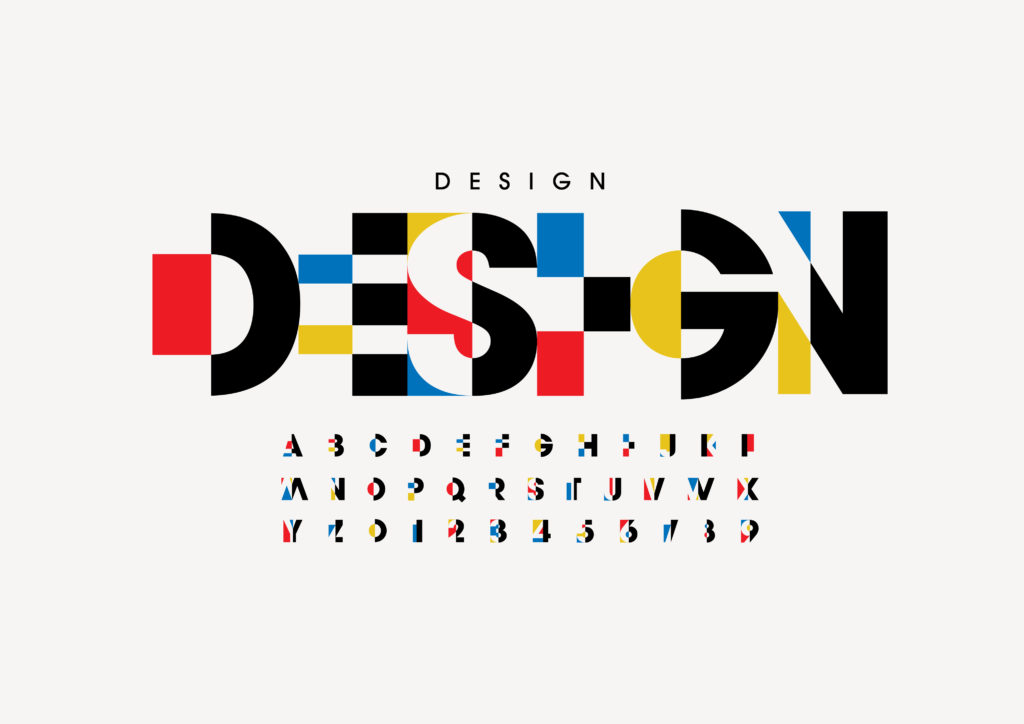
Typography
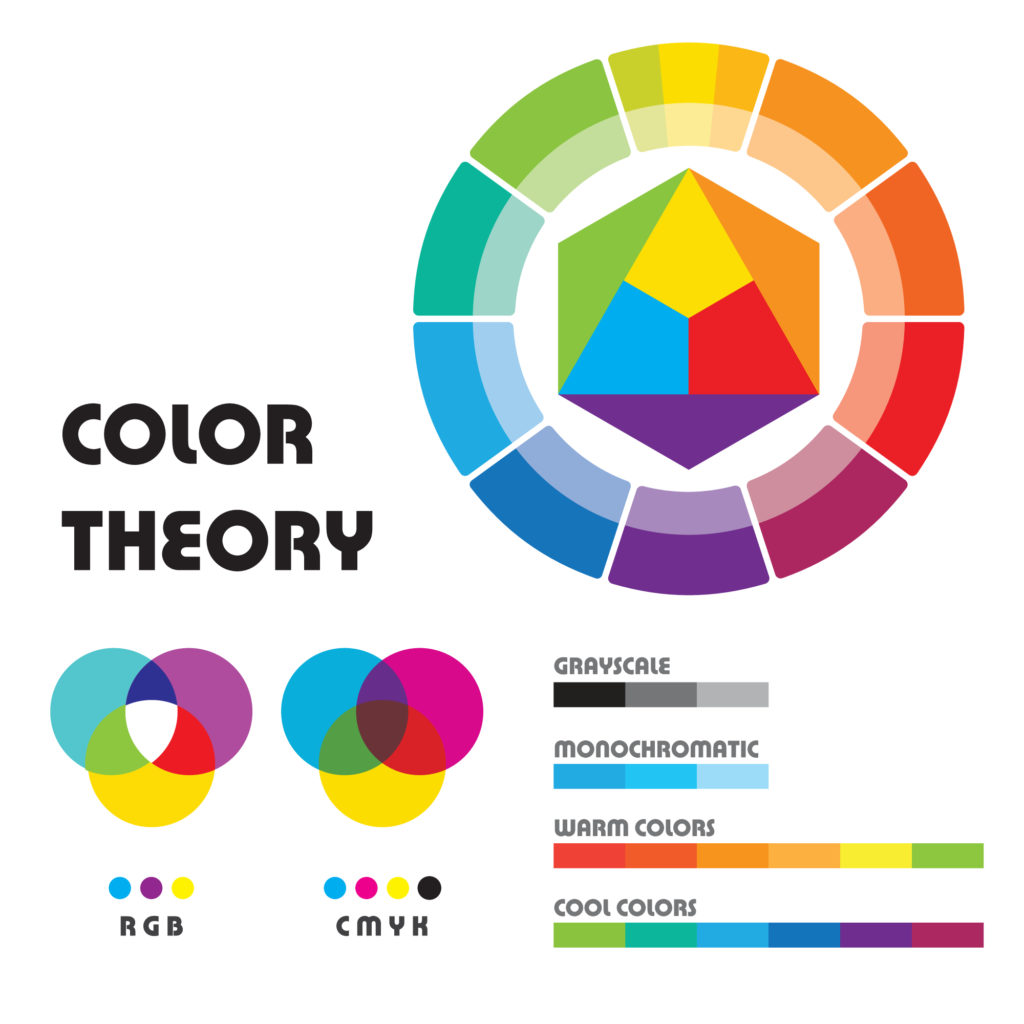
Color Theory
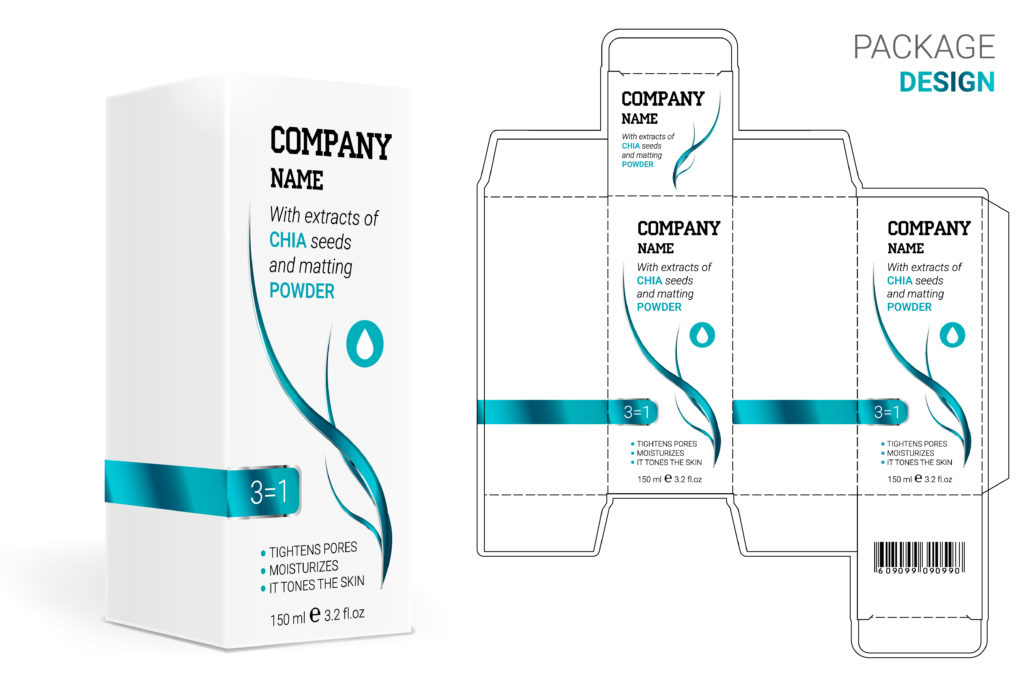
Package Design
Web Design

UX Design

Branding